



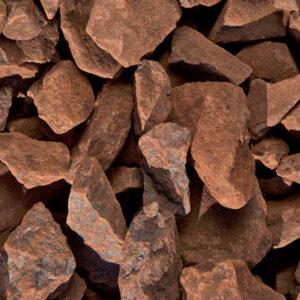
Iron ore remains a standout performer among major commodities this year as it holds above $100 a metric ton despite mounting signs that the steel sector in top importer China is softening.
The most-traded iron ore contract on the Singapore Exchange ended at $101.71 a ton on Wednesday, down from $102.74 at the prior close.
The rolling front-month contract has traded in a relatively narrow band this year, with a high of $107.81 a ton on February 12 and a low of $93.35 on July 1.
That stability in pricing is largely a reflection that imports by China, which buys about 75% of global seaborne volumes, have held up.
China’s imports were 592.2 million tons in the first half of the year, down 3% from the same period in 2024, according to customs data.
However, June arrivals were 105.95 million tons, the highest since December last year.
China’s July imports also look set to be above 100 million tons, with commodity analysts Kpler estimating 101.32 million tons.
The relative resilience of China’s iron ore imports appears to be the main reason that prices have been able to hold around the $100 level so far this year.
The question for the market is whether they can continue to hold that level given the signals being received from the rest of the iron ore and steel sectors.
China, which produces just over half of the world’s steel, saw output drop 9.2% in June from the same month in 2024 to 83.18 million tons.
This was also the lowest level of monthly production so far in 2025, and it led to output for the first half of 2025 declining 3% to 514.83 million tons.
The outlook for the second half of the year is not too rosy either, especially if annual steel production is to stay around the informal target of 1 billion tons, which has prevailed for the past five years.
At best, China’s steel output is unlikely to increase in the second half of this year from the first, and it may decline, especially if exports are lower as importing countries impose more duties on Chinese steel products.